Pristine Logo

Best Paints for Plaster Walls in NYC

June 26, 2026

Old plaster tells on bad paint fast. In a New York apartment or brownstone, the wrong product can leave flashing, roller marks, peeling near repairs, or a finish that looks flat in all the wrong ways. Choosing the best paints for plaster walls is not just about color. It is about how the paint bonds, how it handles patched areas, and how it looks under real city lighting.

Plaster is a different surface than standard drywall, especially in older NYC buildings. It can be more porous, less uniform, and more likely to have hairline cracks, past repairs, or areas that were skim coated at different times. That means the best result usually comes from matching the paint system to the condition of the wall, not grabbing the most expensive can off the shelf and hoping for the best.

What makes plaster walls tricky to paint

Plaster can absorb paint unevenly. Even when a wall looks smooth, it may have subtle variations in porosity from patching, sanding, water stains, or old coatings. If the surface is not sealed correctly, the topcoat can dry at different rates and leave visible lap marks or dull spots.

Texture also matters. Many plaster walls are not perfectly flat, and that is normal. In fact, a finish that looks great on new drywall can exaggerate every ripple on an older plaster wall. This is one reason experienced painters tend to be careful about both sheen and product selection.

Then there is adhesion. If the wall has old calcimine, chalky paint, water-damaged areas, or fresh plaster repair, the coating system has to be built properly from the start. Good paint helps, but good prep carries the job.

Best paints for plaster walls: what to look for

For most interior plaster walls, the safest choice is a premium acrylic latex paint with strong adhesion, good hide, and a washable finish. Acrylic latex paints are flexible enough for minor movement, easier to maintain than old oil-based products, and much more forgiving in occupied homes and apartments.

The best paints for plaster walls usually share a few qualities. They level well, so brush and roller marks are reduced. They have enough body to cover repaired areas without looking thin. And they hold up to cleaning, which matters in hallways, living rooms, rentals, and commercial interiors.

If you are painting a wall that has been skim coated or repaired, pair the finish paint with the right primer instead of relying on paint-and-primer marketing. On plaster, that extra step is often what separates a clean, uniform finish from a patchy one.

Flat and matte paints

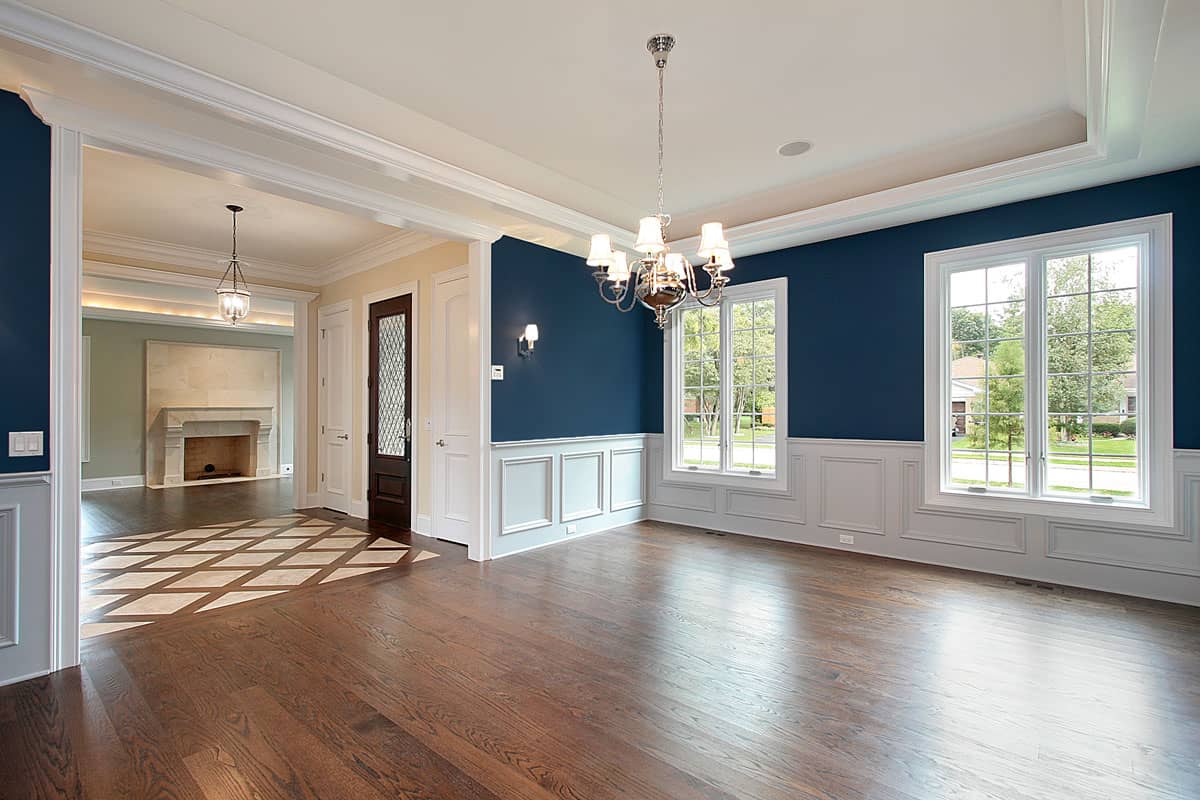
Flat or matte paint is often the best-looking option on older plaster. It softens minor imperfections and gives walls a more even appearance, especially in rooms with side lighting from large windows. In prewar apartments and townhomes, that can make a major difference.

The trade-off is durability. Older flat paints used to mark easily, but newer premium matte finishes are much more washable than they used to be. For living rooms, bedrooms, dining rooms, and ceilings adjacent to plaster walls, matte is often the sweet spot between appearance and practicality.

Eggshell paints

Eggshell works well when you want a little more washability without too much shine. It is a common choice for family spaces, rental units, and hallways where walls see more contact. On smoother plaster, eggshell can look sharp and hold up well.

The caution is that eggshell reflects more light than matte. If the plaster has uneven repairs or surface waviness, that extra sheen can make defects more noticeable. It is a good option, but only when the wall prep is solid.

Satin and higher-sheen paints

Satin is usually better reserved for trim, kitchens, baths, or specific high-traffic areas rather than broad plaster wall surfaces. On old plaster, more sheen means more visibility for every trowel line, patch, and shallow dip in the wall.

That does not mean satin is wrong. In a commercial setting, a rental turnover, or a narrow corridor that needs frequent cleaning, satin may be the practical choice. You just want to know what you are trading for that extra durability.

The primer matters as much as the paint

On plaster, primer is rarely optional if you want a professional result. Fresh repairs, skim coated walls, stained areas, and bare plaster all need proper sealing before finish paint goes on.

For new or very porous plaster, a high-quality drywall or plaster primer helps even out absorption so the topcoat dries consistently. For patched walls with mixed surfaces, a bonding primer can help tie everything together. For water stains, smoke damage, or old problem areas, a stain-blocking primer is often the safer route.

This is where many paint jobs go sideways. A wall may look repaired and ready, but if patched areas flash through the finish or absorb paint differently, the whole room can look uneven. In our experience, that is one of the most common issues property owners notice after a low-cost paint job.

Matching paint to the room

Not every plaster wall should get the same finish. The best system depends on where the wall is and how hard it works.

In bedrooms and formal living areas, a premium matte acrylic usually gives the best visual result. It keeps the look refined and minimizes surface imperfections. In busy family rooms, entryways, and rental apartments, a durable matte or low-sheen eggshell often makes more sense because it can handle light cleaning.

Bathrooms and kitchens are a separate conversation. If the plaster is in good shape and ventilation is decent, a moisture-resistant acrylic in an eggshell or satin finish may be appropriate. If the wall has repeated moisture issues, the paint alone is not the fix. The surface condition and room ventilation need to be addressed too.

Older plaster vs. newly skim coated walls

Older plaster walls often need a more forgiving finish. They may have decades of paint history, subtle movement, and repairs that are hard to erase completely without significant resurfacing. In these cases, matte paint is usually the smart call.

Newly skim coated walls give you more flexibility. If the skim coat was done properly, sanded well, and primed correctly, you can use matte or eggshell with better results. The wall is more uniform, so the finish is less likely to highlight problem areas.

That said, new skim coat should be fully dry and properly primed before painting. Rushing this step can lead to adhesion problems, uneven curing, or visible dull patches later.

Common mistakes when painting plaster walls

The biggest mistake is underestimating prep. Small cracks, loose paint, chalky residue, and uneven patches will not disappear under premium finish paint. They need repair, sanding, dust removal, and the right primer.

Another common issue is choosing too much sheen. People often assume shinier means better quality. On plaster, it usually means more visible flaws. A lower-sheen finish often looks more expensive because the wall reads cleaner.

There is also the problem of spot-priming only repairs on a heavily patched wall. That can work in some cases, but when the wall has multiple repaired areas, full priming often gives a much more consistent final appearance.

How professionals choose the best paints for plaster walls

Professional painters do not just choose a brand. They choose a system based on surface condition, room use, lighting, and the client’s expectations. A landlord turning over an apartment may prioritize speed and durability. A homeowner restoring a brownstone parlor may care more about depth of color and a smooth, low-sheen finish.

That is why paint selection should follow wall evaluation, not the other way around. If the plaster is cracked, patched, or uneven, the recommendation may include skim coating before any finish coats go on. If the wall is sound but porous, the answer may simply be the right primer and a premium matte topcoat.

For NYC properties in particular, lighting changes everything. Strong daylight from tall windows can expose imperfections that seem invisible at night. Narrow hallways with limited natural light may benefit from a finish that keeps the surface visually soft without looking dull. Those details matter if you want the room to feel polished.

What property owners should prioritize

If you want plaster walls to look right, prioritize surface prep first, then primer, then paint finish. Brand matters, but not as much as the system and the workmanship.

A quality acrylic latex paint in matte or low-sheen eggshell is usually the best place to start. From there, the decision depends on the age of the wall, the amount of patching, the room’s traffic level, and how refined you want the final result to look. In many NYC interiors, the best-looking paint is not the shiniest or the most heavily marketed. It is the one that respects what plaster actually needs.

If you are dealing with old apartment walls, recent plaster repairs, or a full skim coat project, it pays to get a professional opinion before paint goes up. At Pristine Painters, we see it all the time - the right coating can make a room look finished, but the right preparation is what makes it stay that way. When plaster is treated correctly, the final result looks cleaner, lasts longer, and feels worth the investment.

Receive a free quote!

This field is for validation purposes and should be left unchanged.
Name(Required)

Recent Posts

linkedin facebook pinterest youtube rss twitter instagram facebook-blank rss-blank linkedin-blank pinterest youtube twitter instagram