A lot of paint trends look great for six months, then start to feel dated the minute the furniture goes back in. That is why interior paint color trends 2026 matter less as a style headline and more as a decision about how you want a space to function every day. In New York City apartments, brownstones, offices, and common areas, the best colors are not just current. They hold up in real light, against real traffic, and across the uneven walls and tight layouts that come with city properties.
For 2026, the shift is clear. Clients are moving away from flat, cold minimalism and toward colors that feel grounded, cleaner, and more architectural. The palette is getting warmer, but not louder. It is more comfortable, more layered, and in many cases more forgiving.
The biggest move is away from icy whites and blue-based grays. Those shades dominated for years, especially in flips, rentals, and generic office interiors. Now they can read sterile, especially under LED lighting or in rooms with limited natural light.
Warmer off-whites, soft putty tones, pale taupes, and creamy beiges are taking their place. In NYC homes, that shift makes practical sense. Many apartments do not get ideal daylight all day long, and warm neutrals help rooms feel finished instead of washed out. They also work better with the materials people already have - wood floors, black metal accents, stone counters, older trim, and mixed furniture styles.
That does not mean every room is turning beige. The better approach is balance. A warm neutral wall color can still look crisp if the ceiling, trim, and doors are chosen carefully. The result feels elevated rather than yellow or heavy.
Earth tones are staying strong, but the 2026 version is more polished than the muddy palettes people remember from older trends. Think muted clay, olive undertones, softened terracotta, mineral green, and brown-based neutrals that feel calm instead of rustic.
These colors work well when a client wants personality without committing to something flashy. In living rooms, bedrooms, boutique retail spaces, and hospitality settings, they create depth and softness. They also pair well with plaster textures, limewash-inspired finishes, natural fabrics, and wood furnishings.
The trade-off is that earth colors are sensitive to lighting. A muted olive can turn dull in a dark hallway. A clay tone can pull pink if the surrounding finishes are too cool. That is where proper testing matters. On a paint deck, a color might look understated. On a full wall in a north-facing apartment, it can shift fast.
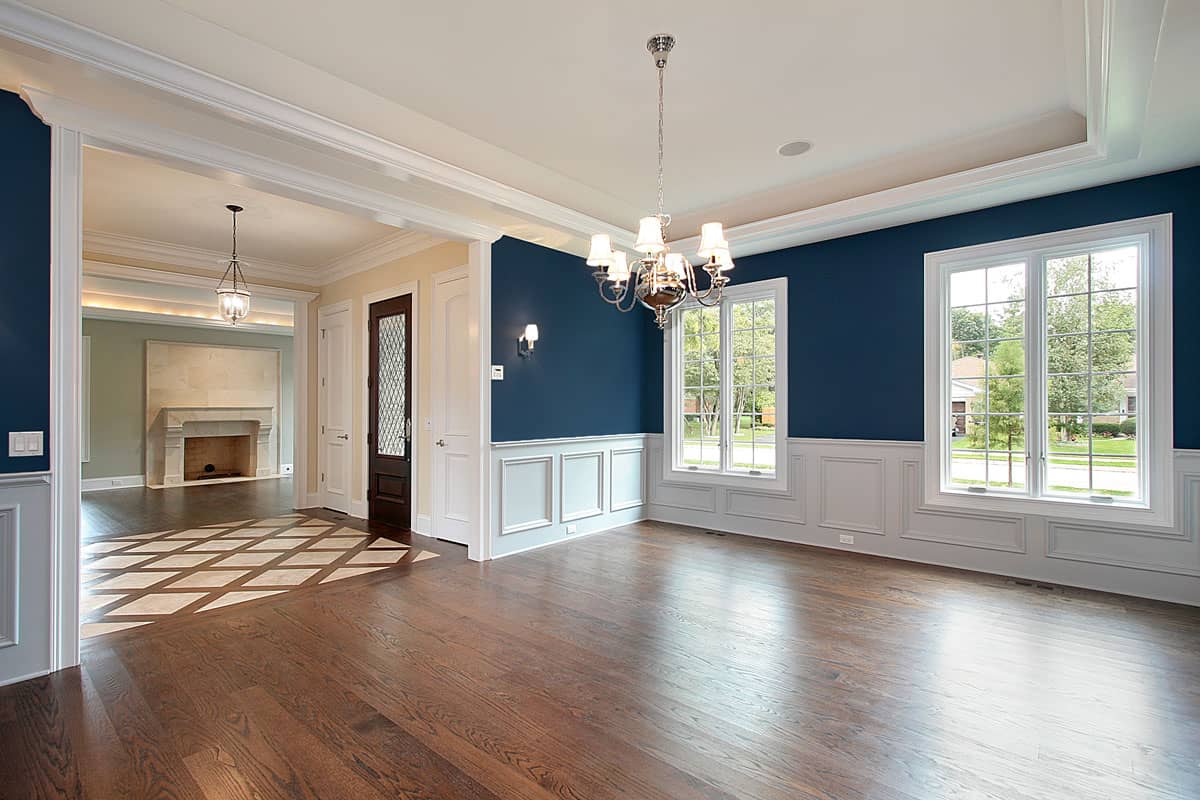
Dark colors are not going away in 2026. What is changing is how they are used. Instead of coating every room in charcoal or navy, more property owners are using moody colors in targeted ways - dining rooms, powder rooms, home offices, libraries, accent walls with real architectural purpose, and commercial interiors that benefit from a stronger atmosphere.
The shades getting attention are deep green, softened black, warm navy, smoked brown, and dark aubergine. These colors can look exceptional when the wall prep is right and the finish is even. They can also highlight every surface flaw if the substrate is rough, patched poorly, or textured inconsistently.
That matters in NYC more than people think. Older walls often need skim coating, plaster repair, or detailed prep before a dark color goes on. If the surface is not corrected first, even the best color choice will not deliver a premium result.
Cool tones are not disappearing. They are just getting quieter. Instead of sharp coastal blues or icy spa greens, the 2026 palette leans toward dusty blue, gray-green, sage with warmth, and muted teal undertones.
These shades work especially well in bedrooms, bathrooms, and offices where people want calm without feeling cold. In commercial interiors, they can also create a professional look that feels less generic than plain gray.
The key is restraint. In a city apartment, a soft green can feel sophisticated on the walls, but if the trim, cabinetry, and furnishings all compete with it, the room starts to feel busy. The best results usually come when one color family leads and the rest of the finishes support it.
White is still relevant. It is just becoming more selective.
Bright stark white will continue to work in some modern spaces, galleries, and commercial settings, particularly where there is strong natural light and clean architecture. But in many homes, softer whites are outperforming it because they feel less clinical and more expensive.
For trim and ceilings, white still plays an important role. It gives definition, keeps contrast clean, and helps warmer wall colors stay fresh. But matching every surface to one ultra-bright white is becoming less common. More people want subtle variation - walls in a soft warm neutral, trim in a cleaner white, and ceilings that do not glare.
That layered approach usually reads better in prewar apartments, renovated condos, and brownstones where perfect symmetry and even daylight are not part of the package.
Color trends get attention, but the final look depends just as much on execution. A current color on a poorly prepared wall still looks cheap. A classic color on a properly repaired and painted surface looks intentional.
This is especially true with 2026 trends because many of the leading colors are subtle. Warm neutrals, mineral greens, and deep moody shades all reveal different problems. Uneven patches, roller marks, flashing, and rough skim work are easier to spot when the paint color has depth.
For homeowners, landlords, and property managers, that means the conversation should not stop at the color selection. You also want to think about wall condition, sheen level, room use, and how the paint will perform under city wear. Hallways, rental turnovers, lobbies, and occupied apartments all call for a finish strategy that looks good and holds up.
Living rooms are leaning warmer and more layered. Soft taupe, putty, and warm off-white create a versatile base that works with both modern and traditional interiors.
Bedrooms are getting calmer, with muted green, dusty blue, and deeper earth neutrals leading the way. These colors feel settled without making the room dark.
Kitchens are splitting in two directions. Some clients still want clean light walls, while others are using warmer neutral cabinetry and richer adjacent wall colors to avoid the all-white look that now feels overdone.
Bathrooms and powder rooms remain one of the best places to take a risk. A deeper green, navy, or smoky brown can add real character in a smaller footprint.
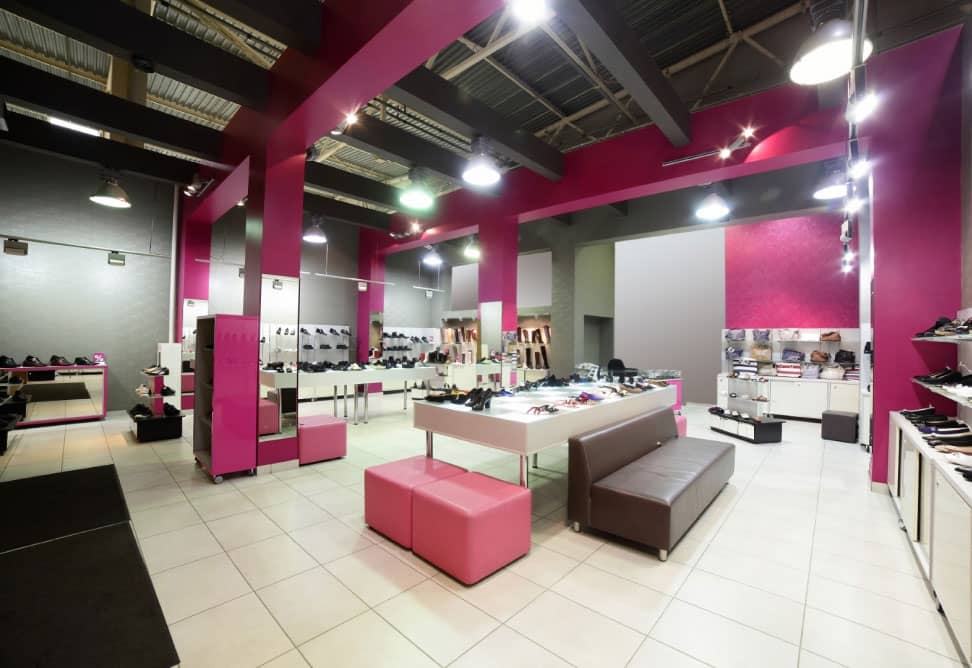
Commercial spaces are becoming more intentional as well. Offices, retail stores, and client-facing interiors are moving toward colors that feel branded and polished, not just safe. That often means warmer neutrals in main spaces and stronger color moments in conference rooms, entry areas, or feature walls.
The smartest way to use paint trends is not to chase the newest shade. It is to identify the direction that fits the space, the light, and the property type.
If you own a rental unit, broad-appeal warm neutrals are usually the safer investment. They photograph well, appeal to more tenants, and feel newer than old gray-based palettes.
If you are painting your primary residence, you have more room to personalize. That is where richer greens, clay tones, and moody colors can make sense, especially in rooms where you want more identity.
If you manage a commercial property, think beyond trend and consider maintenance, branding, and first impressions. The right paint color should support the business, not distract from it.
In a market like NYC, practical decisions tend to age better than dramatic ones. The strongest 2026 interiors are not trying too hard. They feel tailored, well-finished, and confident in the space they are in.
For many clients, that is the real appeal of this year’s palette. It gives you room to move away from safe-but-forgettable color without stepping into something that will feel like a mistake by next spring. And when the walls are prepped correctly, the finish is clean, and the color fits the room, the result does more than follow a trend. It makes the whole property look better the moment you walk in.